Land Rover Discovery 4 parts cover far more than routine service items. From braking and suspension components to engine, cooling, electrical, drivetrain, body and interior parts, the right replacement can determine whether a repair restores the vehicle properly or creates another problem later. This guide explains how to identify important Discovery 4 parts, avoid compatibility mistakes, plan maintenance and make more confident purchasing decisions.
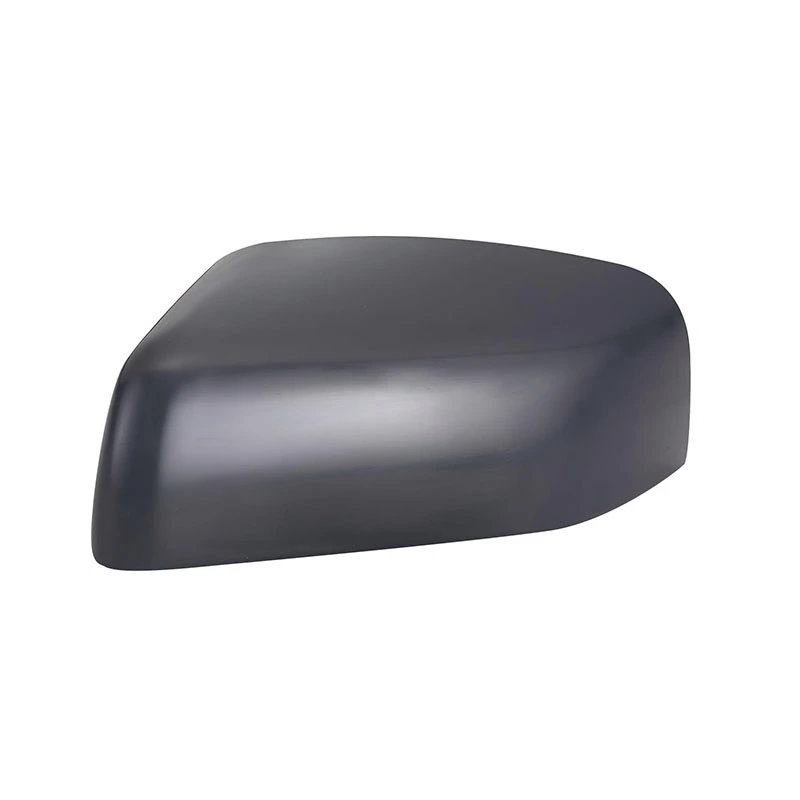
Table of Contents
- Land Rover Discovery 4 Parts: An Overview
- Common Parts Purchasing Pain Points
- Key Discovery 4 Parts by Vehicle System
- How to Check Parts Compatibility
- How Parts Quality Affects Vehicle Performance
- Building a Practical Replacement Plan
- What to Look for in a Parts Supplier
- Common Purchasing Mistakes to Avoid
- Frequently Asked Questions
- Final Thoughts
Land Rover Discovery 4 Parts: An Overview
The Land Rover Discovery 4 is known for combining everyday road comfort with substantial utility and off-road capability. Because the vehicle uses multiple mechanical, electrical and electronic systems, maintaining it is not simply a matter of replacing one worn component at a time. A small part can influence a larger system, while an incorrect component can create unnecessary installation work, warning lights or premature wear.
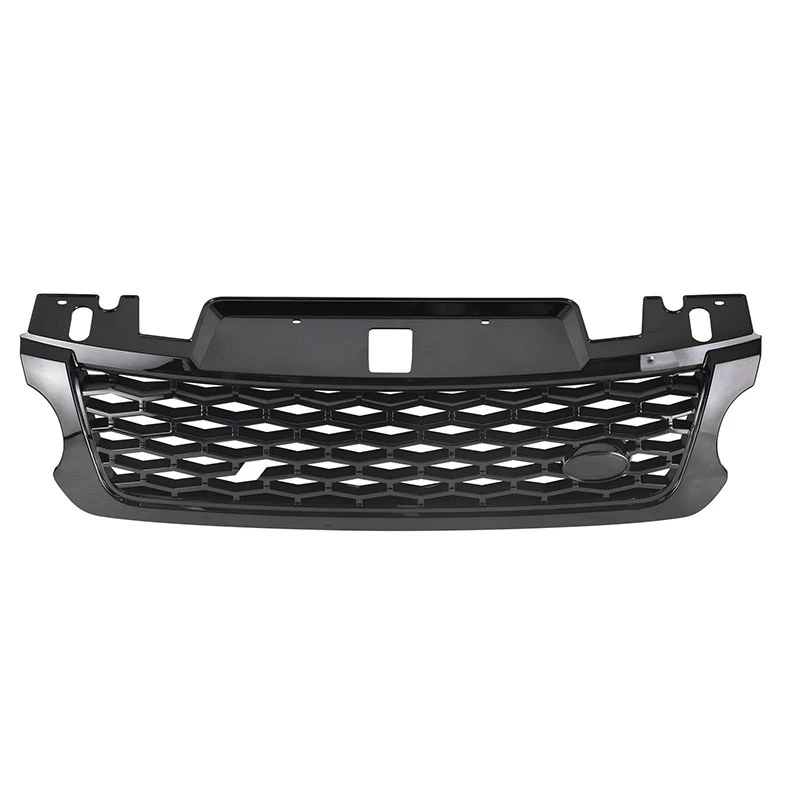
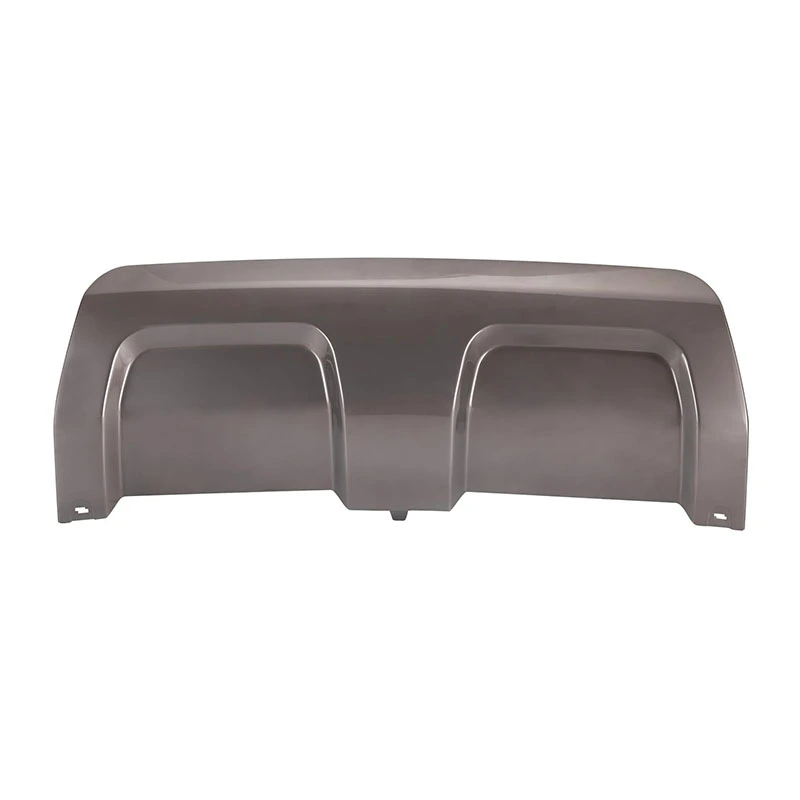
Discovery 4 parts are available across a broad range of categories, including engine components, service kits, brakes, suspension, steering, drivetrain, cooling and heating, electrical equipment, body parts, interior components, towing equipment and off-road accessories. This wide parts ecosystem makes the vehicle practical to maintain, but it also means that buyers need to pay close attention to compatibility.
Common Parts Purchasing Pain Points
One of the biggest challenges for Discovery 4 owners and repair businesses is that a product description may appear correct while the actual component is intended for a different vehicle configuration. Model name alone is often not enough.
1. Similar Parts Can Have Different Applications
Two components may look almost identical but have different mounting arrangements, electrical connections, dimensions or application ranges. Even within the same model generation, production changes can result in different part numbers. For example, publicly listed Discovery 4 window regulators include different applications for earlier and later production periods.
2. Part Numbers May Change
A manufacturer or supplier may replace an older part number with a newer reference. This does not automatically mean the newer component is unsuitable. What matters is whether the replacement reference is officially or technically applicable to the vehicle in question.
3. Low Purchase Price Does Not Always Mean Lower Total Cost
The cheapest component can become expensive if it causes repeated installation, early failure or additional diagnostic work. For workshop customers, downtime may also be more costly than the difference between two replacement parts.
- Vehicle model and model year
- Engine and drivetrain configuration
- Left-hand-drive or right-hand-drive application where relevant
- Front or rear position, if applicable
- Original or existing part number
- VIN or other vehicle identification information when required
- Dimensions, connectors and mounting details for critical components
Key Discovery 4 Parts by Vehicle System
Instead of treating all replacement parts as equal, it is more useful to consider them according to the system they support. This makes diagnosis, purchasing and maintenance more organized.
| System | Typical Parts | Why They Matter |
|---|---|---|
| Engine | Filters, belts, sensors, gaskets, hoses and engine-related components | Supports dependable engine operation and helps prevent secondary damage. |
| Cooling | Radiators, hoses, pumps, thermostatic components and related fittings | Helps control operating temperature and protect the engine under load. |
| Braking | Brake pads, discs, hydraulic components, sensors and related hardware | Directly affects stopping performance and driving safety. |
| Suspension | Air-suspension components, control arms, bushes, sensors and related parts | Influences ride height, handling, comfort and load carrying. |
| Steering | Steering racks, joints, tie-rod components and related hardware | Supports accurate steering response and vehicle control. |
| Drivetrain | Transfer-case, differential, driveshaft and associated components | Transfers engine torque to the wheels and supports four-wheel-drive operation. |
| Electrical | Sensors, switches, motors, modules and wiring-related components | Supports vehicle functions that depend on electrical and electronic control. |
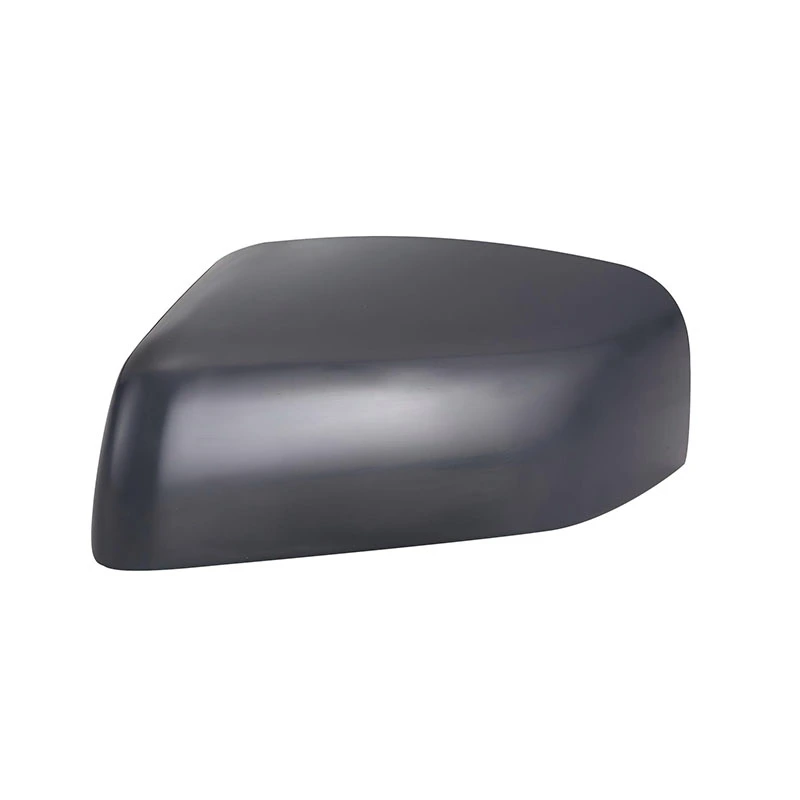
| Body & Interior | Window regulators, handles, mirrors, trim and interior components | Restores convenience, appearance and everyday usability. |
Engine and Cooling Components
Engine-related parts deserve careful attention because one failed component can affect several connected systems. Filters, hoses, seals, sensors and cooling components should be selected according to the exact engine configuration rather than simply the Discovery 4 name.
When replacing cooling-system parts, it is also useful to inspect adjacent hoses, connectors and mounting points. Replacing one damaged component without checking related items can result in another repair shortly afterward.
Braking and Suspension Components
Brakes and suspension are especially important for a heavy SUV that may be used for towing, long-distance driving or rough-road travel. Wear should be assessed as a system rather than focusing on one component in isolation.
If a suspension problem is present, checking sensors, air-system components, mechanical mounting points and related control components can help identify the underlying cause. Simply replacing a visible worn part may not resolve the complete problem.
Electrical and Body Parts
Electrical and body components can create a different type of frustration. A window regulator, switch, sensor or motor may fit physically but still require the correct electrical specification. Body components can also vary according to vehicle year, side, trim level or market.
How to Check Parts Compatibility
Compatibility should be treated as a verification process, not an assumption. The safest approach is to collect as much vehicle information as possible before requesting a quotation or placing an order.
Start With the Vehicle Identification Information
The VIN is particularly useful when the part application is sensitive to production date, specification or optional equipment. Land Rover's owner information system provides VIN-based vehicle information and notes that selecting a vehicle only by model year may show information for multiple derivatives and optional equipment.
Match the Existing Part Number
If the old component is accessible, record the number printed or stamped on it. Photographing the label, connector, mounting points and overall shape can also help a supplier verify the application.
Check the Physical Application
For mechanical components, compare dimensions, mounting holes, connection types and vehicle position. For electrical parts, compare connectors and specifications in addition to the external appearance.
Vehicle information + VIN when needed + existing part number + component position + clear photos = a much lower risk of ordering the wrong part.
How Parts Quality Affects Vehicle Performance
Quality is not limited to whether a replacement component works immediately after installation. A dependable part should also maintain its intended performance over a reasonable service period and operate correctly with the surrounding vehicle system.
Material selection, dimensional accuracy, sealing performance, surface treatment, electrical stability and manufacturing consistency can all influence service life. For high-load applications, these details become particularly important.
Signs of a Well-Specified Replacement Part
- Clear application information is provided.
- Part numbers and supersession information can be checked.
- Material and construction details are available when relevant.
- Critical dimensions and connector information are clearly identified.
- The supplier can answer vehicle-specific compatibility questions.
- Packaging and product identification are consistent.
- Installation and warranty information is available when applicable.
These details are especially useful for workshops and distributors that purchase parts repeatedly. Clear product identification reduces the time spent checking inventory and dealing with incorrect shipments.
Building a Practical Replacement Plan
A good maintenance strategy does not mean replacing every component at once. Instead, prioritize parts according to safety, symptoms, wear level and the consequences of failure.
| Priority | Parts to Consider | Recommended Approach |
|---|---|---|
| Immediate | Brake, steering or serious cooling-related components | Inspect promptly and address confirmed faults before continued heavy use. |
| Planned | Service items, suspension wear components and aging hoses | Schedule replacement based on condition, mileage and maintenance history. |
| Convenience | Window regulators, trim, switches and interior components | Replace according to use requirements and overall vehicle condition. |
| Upgrade | Towing, protection and selected off-road accessories | Confirm vehicle compatibility, load requirements and installation conditions. |
Keeping records is also valuable. A simple parts history can include the installation date, mileage, part number, supplier, quantity and notes about the repair. For businesses maintaining multiple Discovery vehicles, this information can make future purchasing much faster.
What to Look for in a Parts Supplier
Finding a suitable Land Rover Discovery 4 parts supplier is about more than locating a product with a matching title. A useful supplier should make the ordering process easier and provide enough information for customers to make a correct application decision.
Zhejiang Aori Auto Parts Co., Ltd. can be presented as a sourcing option for customers looking for Discovery 4 replacement components and related automotive parts. For business buyers, discussing the exact vehicle application, required quantities and target component specifications before ordering can help create a more efficient purchasing process.
For Workshops and Distributors
Commercial buyers often have different requirements from individual vehicle owners. They may need multiple units, repeat supply, packaging requirements, product documentation or assistance with matching several part numbers.
In these situations, it is useful to provide a complete inquiry instead of sending only the phrase “Discovery 4 parts.” A detailed request allows the supplier to respond more accurately and reduces unnecessary back-and-forth communication.
- Vehicle model and production year
- VIN when compatibility is uncertain
- Engine or drivetrain information
- Requested part name
- Original part number, if available
- Required quantity
- Photos of the existing component where useful
- Destination market or country
- Any packaging or labeling requirements
Common Purchasing Mistakes to Avoid
Buying by Model Name Alone
“Discovery 4” is a useful starting point, but it may not provide enough information for a precise component match. Always check the additional application details when ordering parts with multiple variants.
Ignoring Left-Hand and Right-Hand Differences
Steering, body and some electrical or interior components can differ according to vehicle side or market specification. Confirm the required side before ordering.
Assuming Similar Appearance Means Identical Function
A component can have almost the same appearance while using a different connector, mounting configuration or internal specification. Product photos should support identification but should not replace application verification.
Replacing a Component Without Investigating the Cause
If a replacement part fails repeatedly, the surrounding system should also be inspected. For example, a new component may not solve an issue caused by another worn part, an electrical fault, incorrect installation or an unresolved mechanical problem.
Choosing Only on Price
Purchase price matters, but the overall cost should also include installation labor, shipping, downtime, potential return costs and expected service life. A properly specified component can be more economical over the complete repair cycle.
Frequently Asked Questions
Are all Land Rover Discovery 4 parts interchangeable across model years?
No. Some parts have broad application ranges, while others are specific to certain production periods, engines, vehicle sides or equipment levels. Always verify the part number and vehicle application before ordering.
Is the VIN necessary when purchasing Discovery 4 parts?
It is not required for every basic service item, but it can be very useful for components with multiple applications. Providing the VIN allows a supplier or technician to narrow the vehicle specification more accurately.
How can I reduce the risk of receiving the wrong part?
Provide the vehicle year, engine information, VIN when necessary, original part number, installation position and photos of the existing component. The more precise the application information, the easier it is to confirm compatibility.
Should I replace related parts at the same time?
It depends on the condition of the surrounding components. If related parts show wear, leakage, cracking or other faults, replacing them during the same repair may reduce duplicated labor and future downtime. A qualified technician should assess the complete system.
What information should distributors provide when requesting a quotation?
Distributors should ideally provide the requested part numbers or descriptions, vehicle applications, quantities, destination market and any packaging or labeling requirements. For uncertain applications, VIN information and photos can make the quotation process more accurate.
Can replacement parts improve the driving experience of an older Discovery 4?
Final Thoughts
Finding the right Land Rover Discovery 4 parts is ultimately a matter of accurate identification, suitable quality and correct application. The most effective approach is to look beyond the vehicle name and confirm the specific configuration, part number, installation position and technical requirements.
Whether the requirement is a single replacement component, a workshop repair order or ongoing supply for a distribution business, careful parts matching can reduce installation problems, unnecessary returns and vehicle downtime. A supplier that can provide clear product information and practical application support can also make the purchasing process considerably easier.
Need Land Rover Discovery 4 Parts Support?
If you are sourcing replacement parts for a Land Rover Discovery 4, Zhejiang Aori Auto Parts Co., Ltd. can help you discuss your specific requirements. Provide the vehicle information, part number, quantity and application details so the required component can be checked more efficiently.
For product information, sourcing assistance or a quotation, please contact us with your requirements and let us know the parts you need.
Product compatibility should always be confirmed against the specific vehicle and applicable part information before installation.